At Istanbul Aydın University Faculty of Communication, quality assurance processes are structured around the cycle of education–instruction, assessment–evaluation, and continuous improvement. Educational processes are continuously updated in line with İLEDAK accreditation standards and the expectations of industry stakeholders. Within assessment and evaluation mechanisms, in addition to theoretical exams, applied learning is monitored through projects conducted at application centers such as Aydın Akustik and Atölye Aydın, student portfolios, and sector-based projects.
Within the scope of continuous improvement, data obtained from student and graduate surveys as well as academic performance analyses are evaluated by the Quality Commission, and a data-driven decision-making process is implemented for curriculum and infrastructure development.
At the end of each academic year, the course delivery, content, and level of achievement of course learning outcomes are systematically evaluated through student evaluations. These data are accessible to the Department Chairs, the Dean's Office, and the Rectorate via the UBIS system.
Student evaluation data go beyond being merely a tool for analyzing the current situation; they constitute one of the primary inputs guiding the program's future development processes. Accordingly, course contents are updated by academic staff based on student feedback, and teaching methods and techniques are restructured. Student opinions are also considered an important determinant in the evaluation of academic staff performance; this practice both encourages continuous improvement and contributes to enhancing program quality.
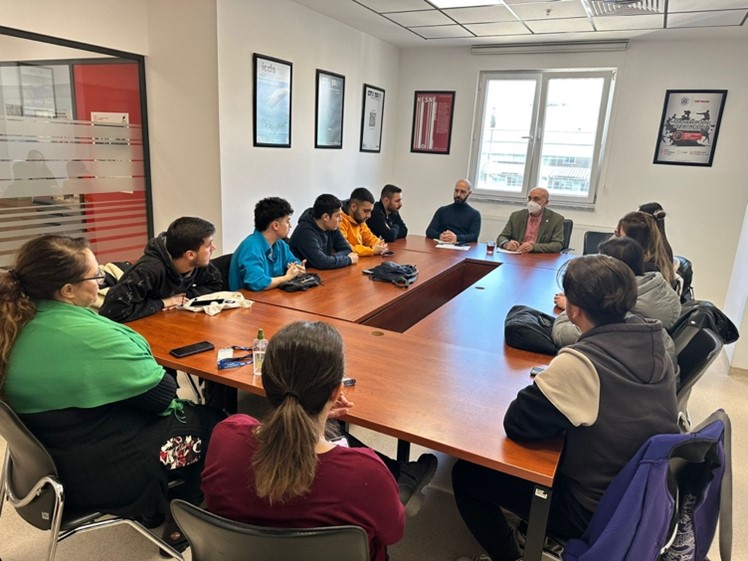
One of the practices carried out within the continuous improvement process is the regular meetings held with class representatives of students enrolled in the department. Through these meetings, students' opinions, suggestions, and expectations regarding courses, internship practices, academic processes, physical facilities, and departmental operations are collected, recorded, and evaluated.
In departmental representative meetings, issues such as expectations regarding internship processes, suggestions related to course schedules and exam calendars, as well as social and cultural activity demands are discussed. Student feedback is evaluated not only to monitor the current situation but also as fundamental data for planning course schedules for the following academic year, updating course content, and determining actions aimed at increasing student satisfaction.
In line with its continuous improvement approach, Istanbul Aydın University Faculty of Communication strengthens its infrastructure facilities to enhance the quality of education and training. In this context, the Acoustic Studio established within the faculty is used as a significant production area that provides applied training opportunities for students of the Radio, Television, and Cinema Department.
The Aydın Akustik project is based on student-centered applied education; performances featuring independent musicians and artists are produced in a professional studio environment with high-quality audio and video recordings. The entire production process is carried out with the active participation of students, aiming to transfer theoretical knowledge into practice and to gain professional experience. The produced content is shared with the public through digital platforms, thereby making the faculty's contribution to cultural and artistic production visible.
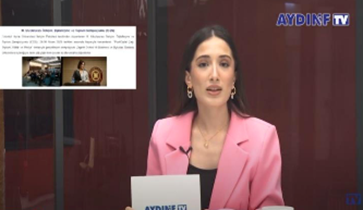
In line with its goal of strengthening applied education, the faculty launched the television channel Aydın IF TV as of May 2025. Aydın IF TV serves as an innovative educational and broadcasting platform that enables students to actively participate in media production processes, supports their creativity, and allows them to gain sectoral experience, thus complementing the faculty's educational vision.
Within the faculty's departments, external stakeholder meetings are regularly held twice a year during the Spring and Fall semesters. In line with the suggestions and demands received from external stakeholders, curriculum changes, improvements, and infrastructure works are carried out in coordination with senior management and within the framework of the university's resources. In particular, the suggestions and demands of part-time instructors with industry backgrounds play a guiding role in these processes.