-
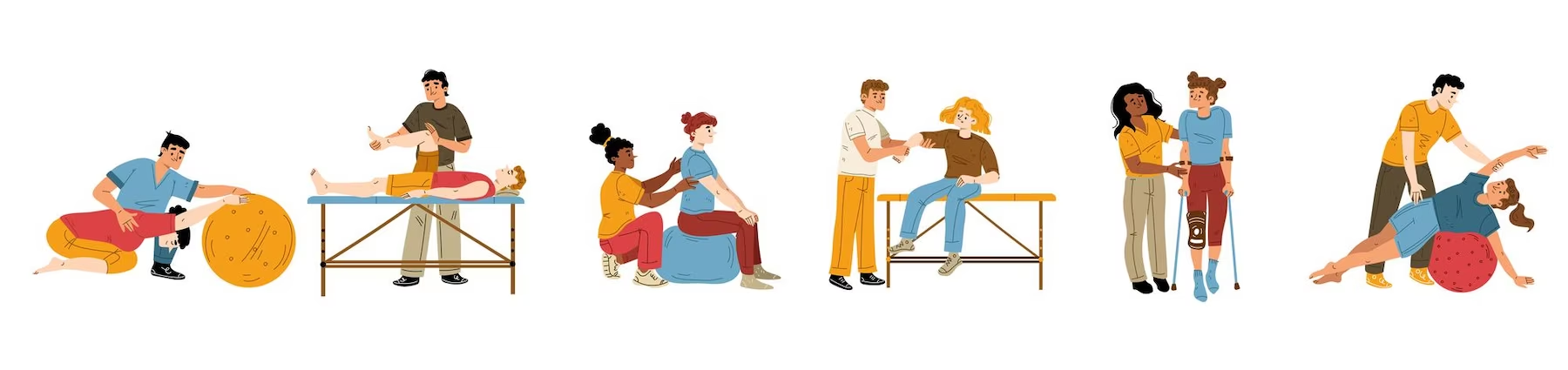
- The Department of Physical Medicine and Rehabilitation is a specialized medical field focused on improving and restoring the functional abilities and quality of life of individuals with physical disabilities, injuries, or chronic conditions. The department consists of a team of healthcare professionals who work collaboratively to assess, diagnose, and provide comprehensive treatment and rehabilitation for patients.
- Some key aspects and functions typically associated with the Department of Physical Medicine and Rehabilitation include:
- Assessment and Diagnosis: Physiatrists, who are physicians specialized in Physical Medicine and Rehabilitation, perform comprehensive evaluations to assess the physical, functional, and cognitive abilities of patients. They review medical histories, conduct physical examinations, and may request diagnostic tests to better understand the nature and extent of the condition or injury. This assessment helps establish an accurate diagnosis and develop a personalized treatment plan.
- Personalized Treatment Plans: Based on the evaluation, physiatrists develop individualized treatment plans tailored to each patient’s specific needs and goals. These plans often include a combination of interventions such as physical therapy, occupational therapy, speech therapy, medication management, pain management techniques, and assistive devices. The treatment objectives focus on maximizing functional independence, managing pain, promoting recovery, and improving overall well-being.
- Rehabilitation Therapies: Departments of Physical Medicine and Rehabilitation have specialized rehabilitation teams consisting of physical therapists, occupational therapists, and speech-language pathologists. These therapists work closely with physiatrists to deliver individualized rehabilitation therapies. Physical therapists focus on improving mobility, strength, flexibility, and coordination through exercises, manual therapy, and modalities. Occupational therapists help patients regain independence in daily activities and develop fine motor skills, while speech-language pathologists address communication and swallowing difficulties.
- Pain Management: Physiatrists are trained in managing acute and chronic pain conditions. They use a variety of approaches, including medication management, interventional procedures (such as injections and nerve blocks), physical modalities (such as heat therapy or electrical stimulation), and non-pharmacological interventions (such as cognitive-behavioral therapy and relaxation techniques). The goal is to relieve pain, improve function, and enhance overall quality of life.
- Assistive Devices and Adaptive Technologies: Physical Medicine and Rehabilitation departments assist patients in acquiring and using assistive devices and adaptive technologies to optimize function and independence. These may include prosthetics, orthotics, wheelchairs, walkers, and other mobility aids. Physiatrists and rehabilitation teams work closely with patients to assess their needs, prescribe appropriate devices, ensure proper fitting, and provide training on usage.
- Sports Medicine and Musculoskeletal Care: Many Physical Medicine and Rehabilitation departments have specialized sports medicine programs focused on preventing, assessing, and managing sports-related injuries and conditions. They provide comprehensive care for athletes, including injury rehabilitation, performance enhancement, and sport-specific training. Additionally, physiatrists specialize in diagnosing and treating musculoskeletal disorders such as back pain, joint conditions, and arthritis.
- Chronic Disease and Disability Management: Physical Medicine and Rehabilitation departments play a crucial role in managing chronic diseases and disabilities. They provide comprehensive care for individuals with conditions such as stroke, spinal cord injuries, traumatic brain injuries, multiple sclerosis, amputations, and neuromuscular disorders. Physiatrists and rehabilitation teams focus on maximizing functional outcomes, minimizing complications, and enhancing overall quality of life.
- Patient Education and Support: Physical Medicine and Rehabilitation departments prioritize patient education and support services to help individuals and families better understand their conditions, treatment options, and self-management techniques. This includes educating patients on adaptive strategies, lifestyle modifications, and community resources to enhance independence and overall well-being.
- The Department of Physical Medicine and Rehabilitation aims to improve the functional outcomes and quality of life of individuals with physical disabilities.
-
Our Mission
The mission of the Department of Physical Medicine and Rehabilitation is:
- Excellence in education
- Discovery of new knowledge
- Developing leaders in health and science
Our Vision
The vision of the Department of Physical Medicine and Rehabilitation is to be a recognized leader in clinical practice, research, and education.
ACADEMIC STAFF